
Yoga
5 min read
The benefits of slow yoga you might be overlooking at this moment
Author

Ajoy S.
In a world that constantly encourages speed, productivity, and intensity, slow yoga can easily feel underestimated. Many people assume a practice only becomes effective when it is physically demanding or fast paced. In reality, slower sessions often provide the balance and recovery that both the body and mind truly need.
Slowing down improves awareness
One of the biggest benefits of slow yoga is the level of awareness it creates. When movements become slower and more intentional, you naturally begin paying closer attention to your posture, breathing, balance, and alignment. Instead of rushing through poses, you become more connected to how your body actually feels in each moment.
This awareness helps improve control and reduces unnecessary strain on the body. Over time, slower movement patterns can improve flexibility, posture, and overall body coordination in a much more sustainable way.
Your body responds better to patience
Holding poses longer allows muscles to activate properly while giving your joints and connective tissues time to adapt naturally. Slow yoga creates strength gradually instead of forcing intensity too quickly. Because of this, it can feel far more supportive and accessible for beginners, people recovering from stress, or anyone returning to movement after a long break.
Many students discover that slower sessions leave them feeling more refreshed and energized rather than exhausted. Instead of pushing your body beyond its limits, the practice teaches you how to work with your body patiently and consistently.
Calm movement supports mental clarity
Slow yoga is not only physical. The steady pace and controlled breathing help calm mental noise and reduce overstimulation. During slower sessions, your nervous system begins to shift into a more relaxed state, helping improve focus, emotional balance, and overall clarity.
For many people, these sessions become more than just exercise. They become a space to slow down, reset mentally, and reconnect with themselves after busy or stressful days. Over time, this calm and mindful approach often creates deeper long-term benefits than intensity alone.
More Journal

Karim P.
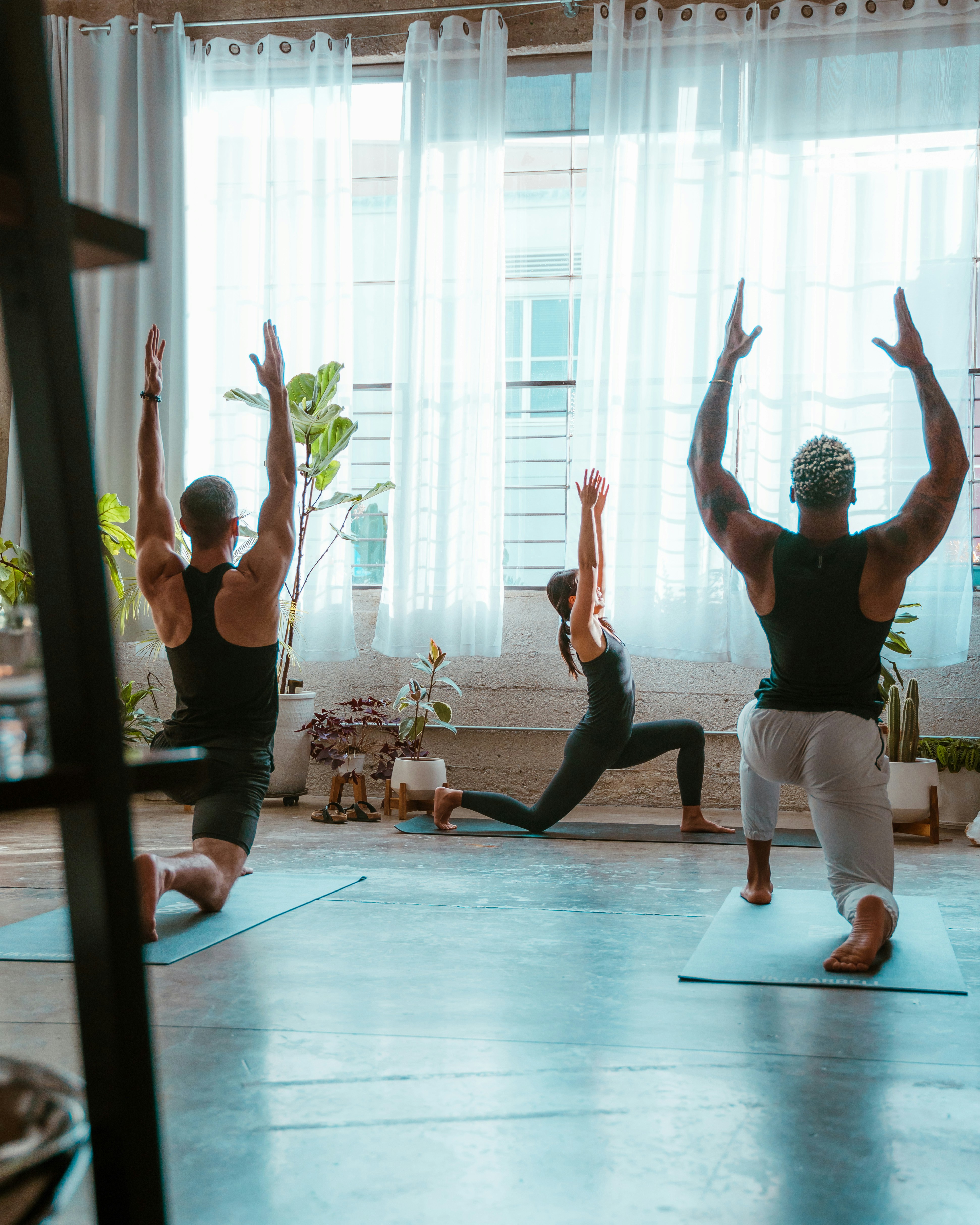
Morning vs evening yoga: what will work best for your life?
Building a lasting yoga practice isn’t about pushing harder.
Yoga
5 min read

Shian D.
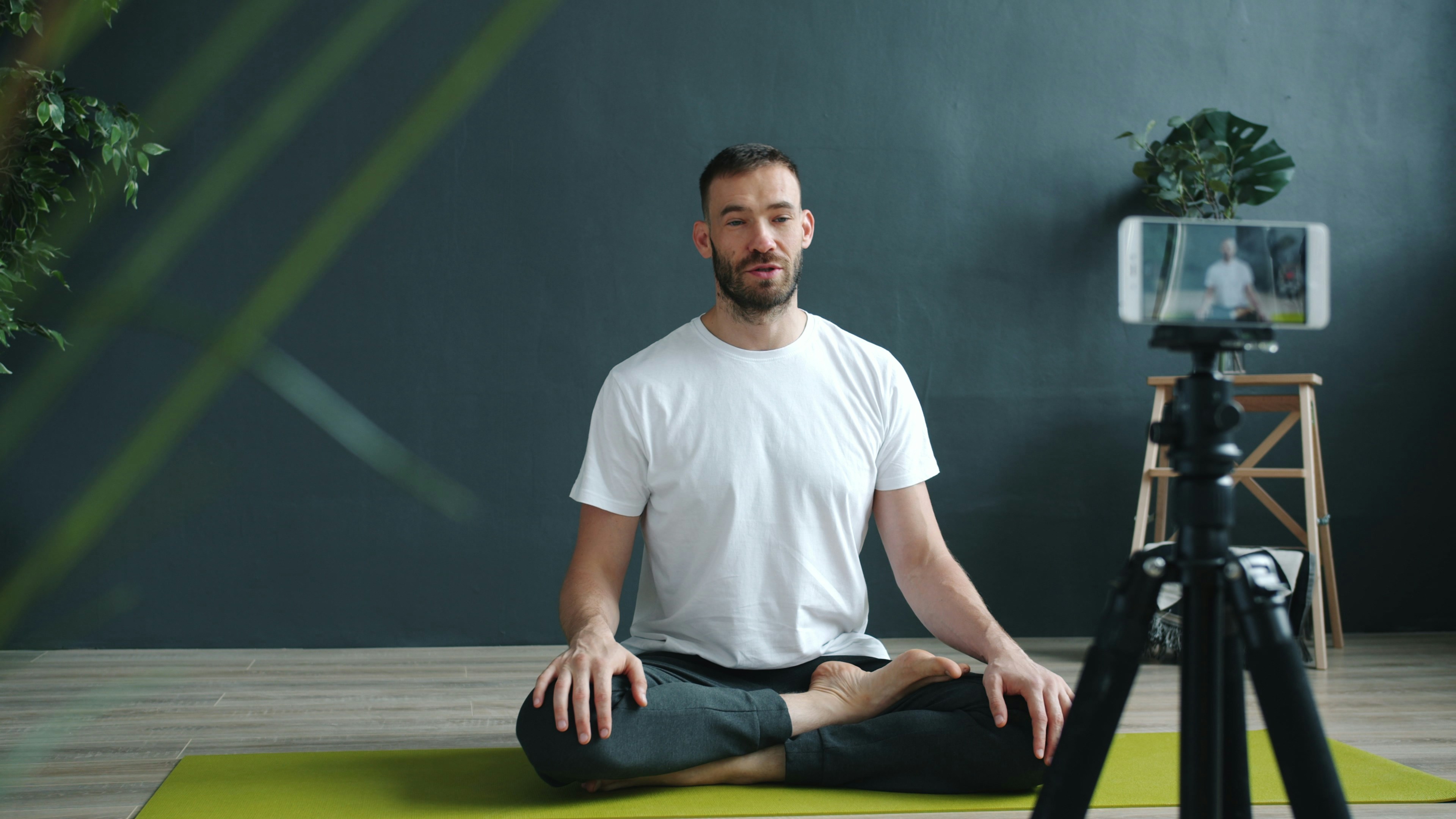
How to build a yoga routine you can actually stick to for a long time
A lasting yoga practice isn’t built through motivation alone.
Yoga
5 min read

Jack S.
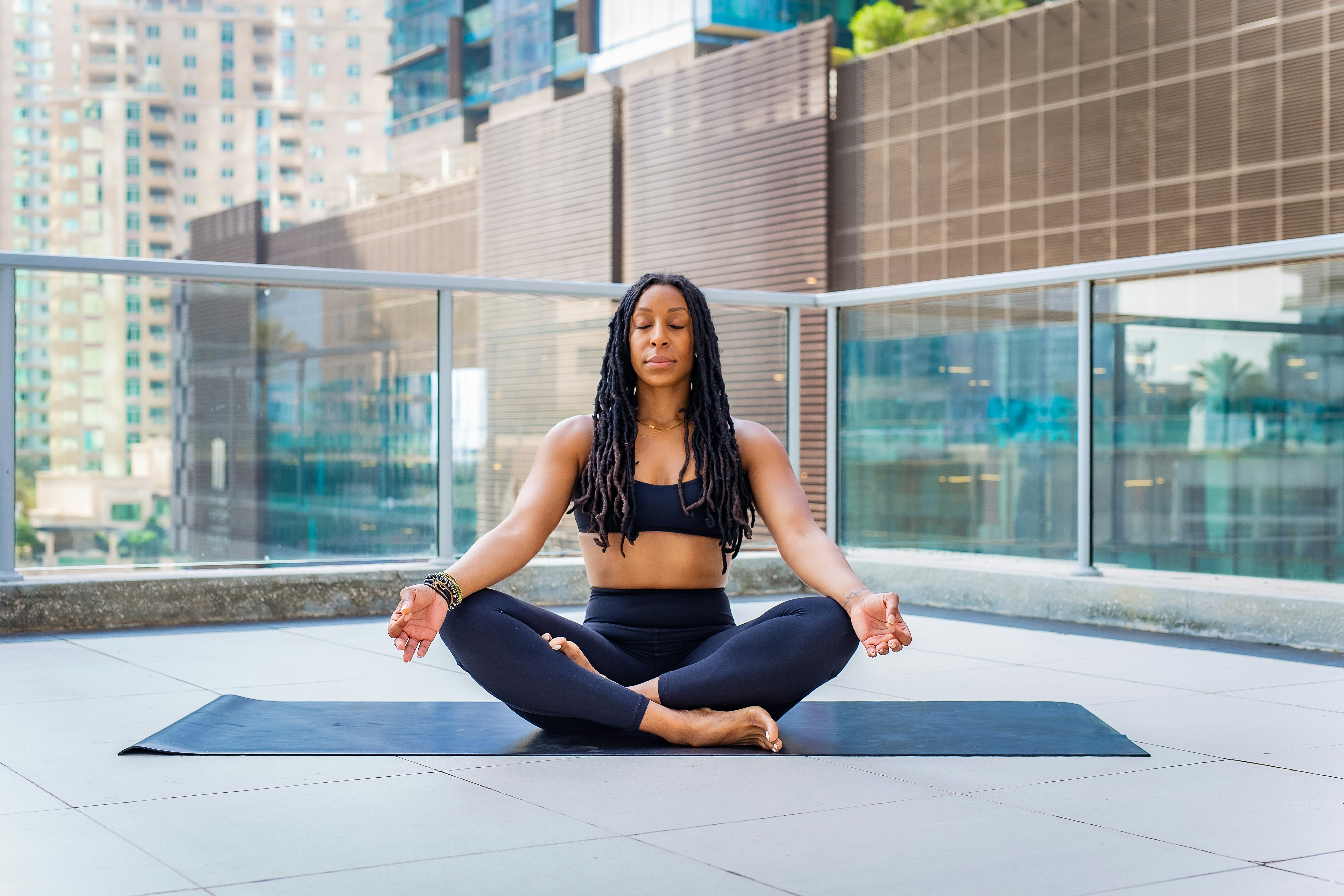
Why consistency matters more than intensity in yoga journey
Real progress in yoga comes from steady practice over time.
Yoga
5 min read